
More than a Pet: Understanding Disenfranchised Grief
Grief can leave us with a host of complicated and uncomfortable emotions. When I lost my beloved cat, Choppy, in June, I found myself navigating not only the heartbreak of losing him, but also an unexpected sense of isolation. He was family, and losing him felt like losing a family member. Still, I was surprised by how much shame I felt about the depth of my grief. Without realizing it, I had begun minimizing my own loss because it was the loss of a pet.
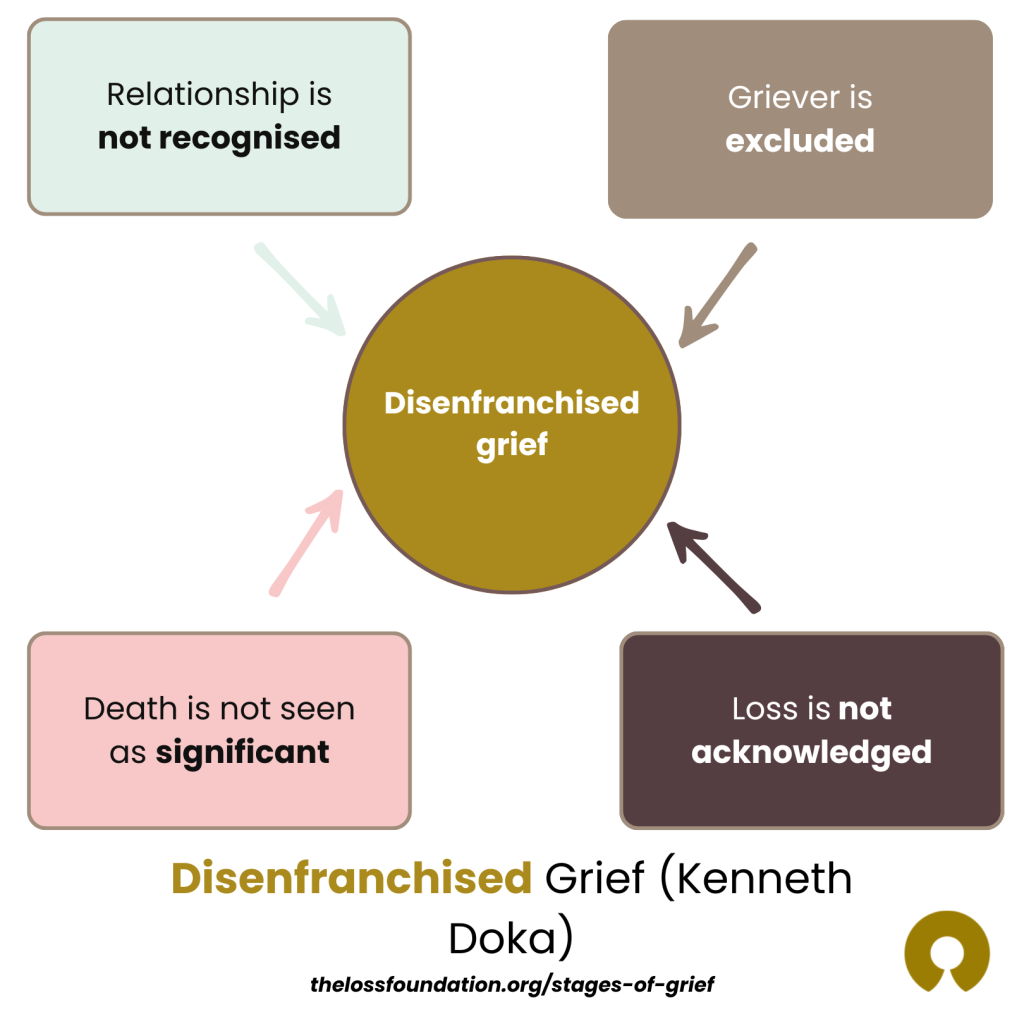
When grief isn't fully or openly acknowledged, socially validated, or publicly supported, a person can experience what researcher Kenneth Doka calls Disenfranchised Grief. That lack of recognition can add another layer of pain to an already difficult experience. Pet loss is one form of loss associated with disenfranchised grief, but others include pregnancy loss, infertility, career loss, estrangement, and changes in identity following trauma or illness. These experiences can leave people mourning something significant without the rituals, language, or community support we typically associate with grief. So how do we make space for grief when the world around us may not?
One framework that has helped me think about this process is psychologist J. William Worden’s Four Tasks of Mourning. The tasks offer an active and compassionate way of understanding mourning: accepting the reality of the loss, processing its pain, adjusting to life after the loss, and finding an enduring connection while continuing forward.
Task One: Accept the Reality of the Loss
The first task of mourning is accepting the reality of the loss. While we may intellectually understand that someone/something we love is gone, emotionally accepting the permanence of the absence can take longer.
The years of routine, companionship, and emotional comfort that Choppy gave me had become woven into my everyday life. Despite returning to my daily routines, the small realizations like not needing to fill the food bowl or coming home without a familiar greeting, made the loss real in new ways.
For me, acceptance happened through a series of small moments that gradually reinforced that life had really changed. As painful as these moments can be, they are part of how we begin to accept the reality of loss.
Creating rituals can support this process by making the loss tangible in a compassionate way. Memorializing your companion, bringing their ashes home, sharing stories, or simply speaking their name can help you gradually process a reality you are learning to accept.
Task Two: Process the Pain of Grief
As we work to accept the reality of the loss, the second task asks us to make space for the emotions that come with it. In other words, don’t do what I initially did and minimize what you’re feeling.
Grief can bring sadness, anger, guilt, numbness, and even relief if a loved one was suffering. All of these feelings deserve acknowledgment, even when they are uncomfortable or difficult to explain to people who may not understand the significance of your loss. Processing the pain does not mean dwelling in it. Taking breaks, finding moments of joy, and using healthy coping skills are also a part of caring for yourself. That might mean crying, journaling, creating art, sharing stories, going to therapy, and spending time with people who understand what the relationship meant to you.
There is no single “right” way to process grief; the goal is to give yourself permission to feel and find healthy ways to express it, which supports the next task - moving forward to live within the new reality.
Task Three: Adjust to a World Without
The third task of mourning requires making small adjustments that incorporate tasks one and two. Adjusting does not mean replacing what was lost, but instead, giving yourself permission to discover what life looks like now.
For me, much of this has meant changing my routines. Where I used to feed Choppy and change his litter each morning, I now take a walk around my neighborhood. Where I once came home and was greeted by him, I now come home and greet him at his little urn. These small changes have helped me adjust to Choppy’s absence without disconnecting from what he meant to me. This is where task three naturally begins to overlap with the final Task of Mourning.
Task Four: Find an Enduring Connection While Moving Forward
The fourth task of mourning reminds us that healing through grief isn't about letting go or moving on, it's about discovering new ways to carry it with you. As Vision famously says in WandaVision, “What is grief, if not love perservering.”
Maintaining that connection might look like keeping photos nearby, creating traditions, volunteering, donating supplies, or eventually welcoming another animal into your life when you are ready. Sometimes, the connection we carry forward can also shape what comes next.
After a good friend of mine lost her dog, she began taking yoga and pole dance classes during the time she would normally spend walking him. Three years later, she is a certified yoga and pole instructor who now helps others heal through movement. The life she built afterward did not replace the relationship she lost. Instead, something meaningful grew from the space that relationship once occupied.
Giving Your Grief the Space It Deserves
Love leaves an imprint, and learning to live with that imprint is part of mourning. This is especially important to remember with disenfranchised grief, when the absence of social recognition can make us question whether our loss deserves the space it occupies in our lives.
The Four Tasks of Mourning remind us that healing does not require forgetting, minimizing, or “getting over” what we have lost. Instead, we can acknowledge the reality of the loss, make space for the emotions that come with it, adjust to what has changed, and find meaningful ways to carry the connection forward.
If grief is becoming difficult to carry or beginning to interfere with your ability to function in daily life, therapy can provide a supportive space to process what you are experiencing without minimizing the significance of your loss. The clinicians at Courageous Counseling and Consultation are here to help you make space for your grief, honor what mattered, and find your way forward at a pace that feels right for you.