
What does balance look like when the day-to-day responsibilities of caregiving collide with the heightened expectations and pressure of the holiday season? In the US, the holidays are seen as a season of rest, connection, and celebration. For caregivers, the holidays can feel like anything but these things. When I became a caregiver, I quickly learned that the responsibilities that exist throughout the year don’t disappear when the decorations go up. Instead, they can expand to include travel plans, traditions, family expectations, and the invisible labor of making the season feel special for our loved ones. When life genuinely asks more of us than we have to give, balance can’t mean finding a way to do it all. In this note, I invite you to consider another way to look at balancing it all this season.
Balance Is Not Doing Everything
“You do not have to give every part of your life equal attention to give every part of your life meaningful attention.”
I heard that during a recent book club discussion and it stuck with me. When demands on your time, resources, and energy increase but your capacity doesn’t, balancing it all becomes impossible if it’s defined as doing everything or giving every area of life equal attention. That definition can reinforce All-or-Nothing thinking, a cognitive distortion that tells us we are either managing everything well or failing altogether. The response, then, may be to try to correct the imbalance with better time management, stronger boundaries, or more discipline. However, balance is not about overfunctioning to meet unrealistic expectations. That leads to burnout. Instead, consider balance as alignment. That is, prioritizing choices that reflect your values, your needs, and what you realistically have the capacity to do.
Reflect:
What do I value most this holiday season?
Assessing Your Balance
Caregivers tend to be skilled at noticing everyone else’s needs while overlooking their own. This season, rather than charging full speed ahead with a list of things to do, begin by clarifying where your time, energy, and resources are going and whether those choices reflect what matters most to you. If connection is your highest value, but your calendar leaves little time to be present with the people you love, something may need to shift. If rest matters but every available evening is committed, balance may require saying no rather than finding more ways to say yes.
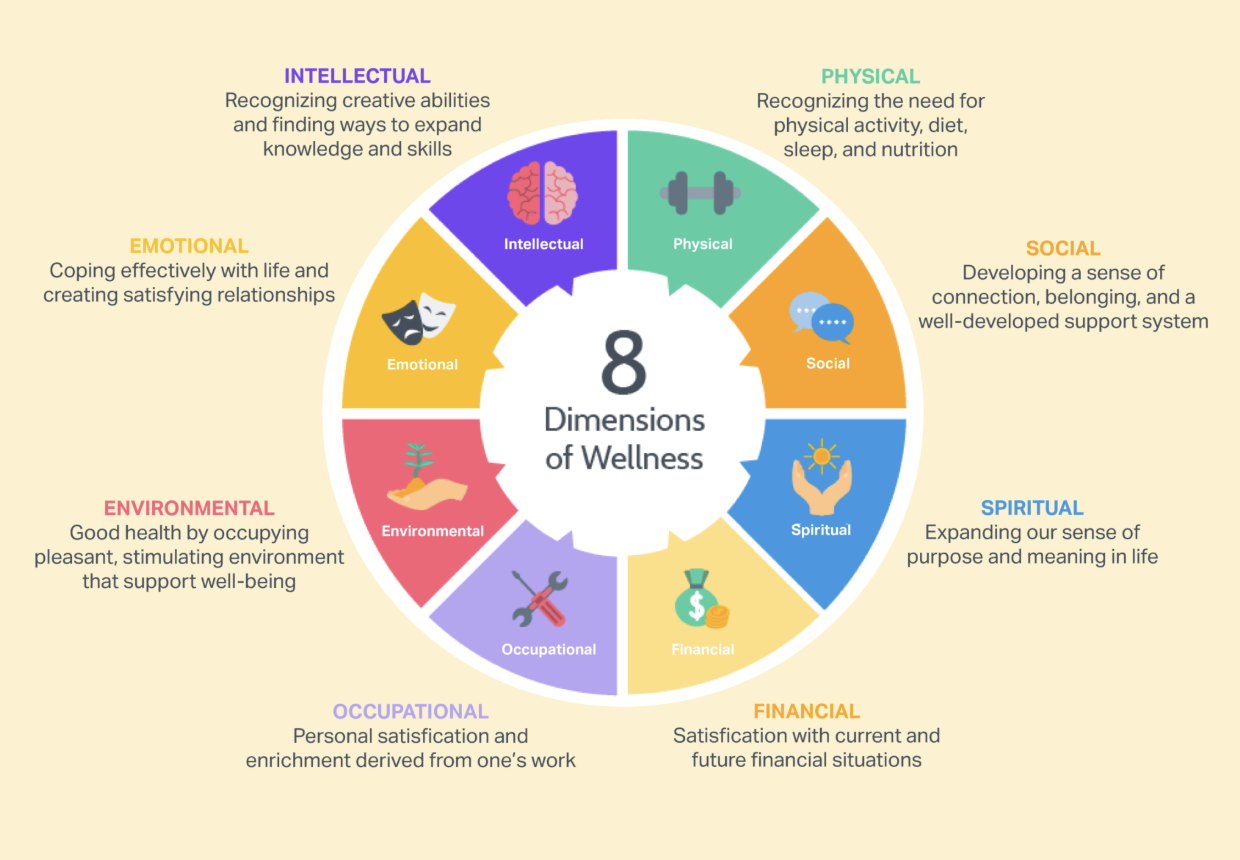
Assessing your balance starts with getting a clear picture of your values, needs, and current capacity. We already use tools to track many of the resources we rely on every day. Budgets help us understand our money, we track our time using calendars, and even our phones and watches help us notice patterns in our sleep, movement, and mood. When you are assessing your balance through alignment, you are bringing that same awareness to your values and your capacity. You can use a tool like the Assessing Your Life Balance Worksheet, or consider the 8 Dimensions of Wellness.
Reflect:
What do I realistically have capacity to give/do this season?
Finding Your Balance
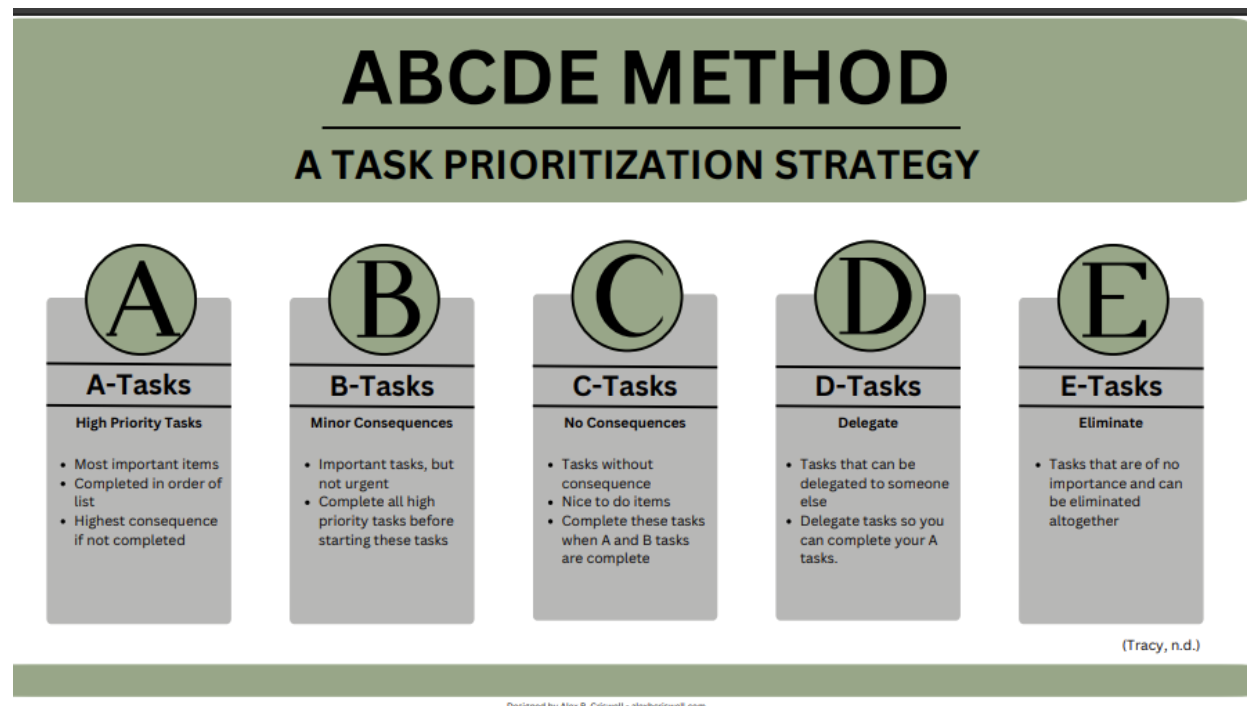
While awareness won’t solve competing demands, it gives you the information you need to make values-aligned choices. After assessing your capacity and values, you can begin deciding what deserves your attention, what can be adjusted, and what may need to be delegated or eliminated completely. One tool that can help is the ABCDE method for task prioritization. To use the ABCDE method, you sort tasks by urgency and/or consequence. Pairing this with your values can help you prioritize more intentionally. Some responsibilities will need your full attention and others may only need to be done well enough. Finding balance means giving yourself permission to explore the difference.
Reflect:
What would balance look like if my priorities reflected what matters most to me and my loved ones?
Caring for Yourself While Caring for Others
Holding it all together during the holidays doesn’t require creating a perfectly balanced season, but rather making choices that leave room for what matters most; which also includes you. Some traditions may stay exactly as they are, while others may need to be simplified, shared, or skipped this year. Balance is not about accomplishing everything, but aligning what you do with your values, your needs, and the capacity you actually have.
If caregiving has left you persistently overwhelmed, anxious, resentful, depleted, or disconnected from yourself, additional support may be helpful. Therapy can provide space to explore caregiver stress, strengthen boundaries, process complicated emotions, and develop ways of caring for others that do not require abandoning yourself.
The therapists at Courageous Counseling and Consultation are here to support you in finding a more sustainable way forward.
Additional Resources:
Mind Your Mental Podcast - S3 E2 “Self Care Isn’t Lingerie, It’s Tube Socks” (Dr. Raquel Martin)
My North Star - Values Alignment Worksheet (Therapist Aid)